Build the Bridge: Make your own Path

When I began the journey of Michigan Teacher of the Year back in August, I was incredibly nervous about this new and unknown experience. My colleague and dear friend Don Green saw me the day before I was officially stepping into the role, and he could sense my anxiety was high. Late that night, as I was preparing for the next day, my work email pinged. I opened it to find a message from him. At the end of the email, he wrote these words to me.
 
“I believe education is the path. I believe that education can be our silver bullet – to end systemic inequities, to level the playing field and give everyone the tools they need to make a better life.
 
“It is why your work this year is so important. Lift up students, lift up teachers, and in the process … you can tell me next year what lifted you up.”
 
I have come back to this email countless times over the past several months. His words wove into my heart as I worked to find the balance to the myriad educational challenges in tandem to wanting to embrace hope for the beauty and magic that this profession creates.
 
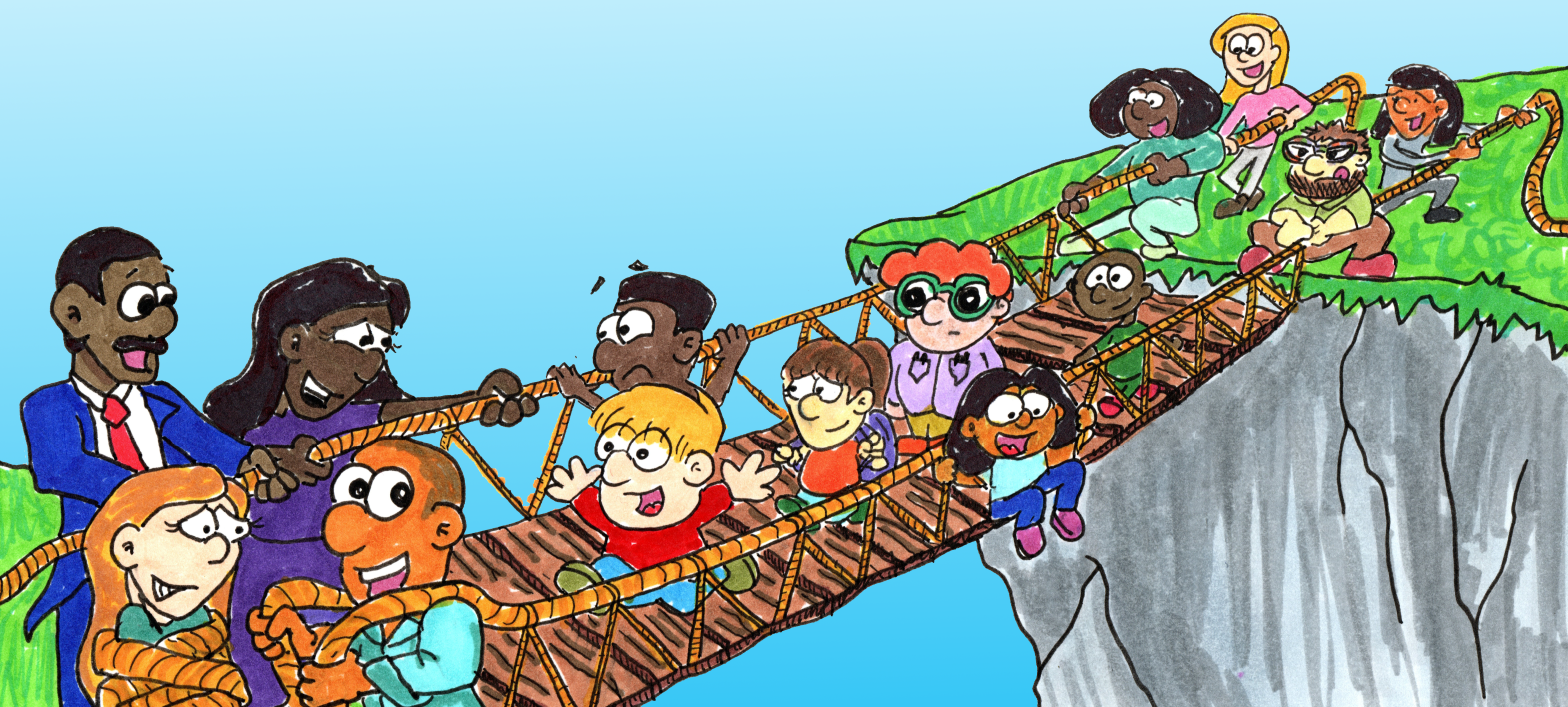
Last week, before heading to Washington, D.C., with the state teachers of the year, my class (with the encouragement of my co-teacher Lynne Cobb) painted pictures with inspiring messages for me. They were all beautiful, but one stood out. The picture was of a bridge, and next to it, my student painted the words “You Can Do This. Make your own path.”  
 
These messages, written months apart, feel like the rallying cry that all teachers need to hear as we wrap up this school year and imagine what the next one will bring. When I reflect on all the educators I have encountered across Michigan and the United States, one resonating and true fact is braided within all of them: 
 
They all want to be respected and build classroom environments that allow students to be themselves while they grow, connect and thrive.
 
Teachers are the ultimate community builders. We know what it takes to create a community for our students. It is now time to use our collective voices to advocate for the educational system that students and teachers across the state and nation deserve.  
 
There are over 87,000 teachers in Michigan and over 3.2 million across the United States. We can make the change; it is right there on the horizon, if we only would work together collectively to reach it. 
 
I know this may feel like an insurmountable task. I imagine many of you are reading this thinking of that time you tried to use your voice and were silenced by those who think they know better.
 
Believe me, I have been there, too.
 
One voice can be silenced. A collection of voices cannot be ignored.
 
Last week, I heard Secretary of Education Miguel Cardona speak these words to a group of educators:
 
“When you walk in the room, you are the expert on education. Don’t ever think you don’t belong there.”
 
I know that often the voices of teachers are ignored or demeaned. Your voice is important, and it matters. This may be the most crucial time in education across the United States. We are at a fork in the road, and the decisions that will be made in the next several months will determine structures for years to come. Our silence right now provides the opportunity for those that have little to no experience in the classroom the autonomy to decide what they think is best for public education. 
 
Let’s use our voices to elevate students and educators. We must fight for the changes that are greatly needed. No one is going to do it for us. We can build the bridge together and forge a new path for education across Michigan and beyond by doing the thing we teach every day to our students – to work together in a connected community.
Planting the Seeds of Leadership Helps Students for Life

Many years ago, I was sitting with my principal, Traci Heuhs, in an end of the year wrap-up meeting.  As the conversation was winding down, she told me that I was a natural leader and asked how she could support me in expanding myself in the field of education. The comment took me aback and made my stomach churn. Leadership was something that felt uncomfortable to me. I most certainly did not have the confidence to be a leader, especially with my peers.
 
As I do with comments like this, I thought about it for a long time. 
 
What makes a good leader? 
 
What did my principal see in me that I didn’t see in myself?  
 
What was my responsibility to my students in truly understanding the complexity and necessity of leadership? 
 
Why was developing my own leadership style critical to all aspects of my life?
 
I realized that the only way I was going to be able to explore the idea of leadership was by leaning into that discomfort and pushing myself into new and challenging experiences. 
 
Maybe that’s the point.
 
Leadership correlates to power. Being a leader means you have influence.  I believe that is true, but it isn’t power for yourself.  It’s the power of your own character, and how you hone your own traits to lead change.
 
Being a leader is complex and difficult because you are developing a trajectory for both yourself and those around you. It is an important and critical role and needs to be viewed as such. It seems to me that if the weight of leadership isn’t always resting on your shoulders, holding you accountable, then you aren’t doing it right.
 
Leadership is about finding your voice and modeling how to listen, respond and advocate. It is about seeing the potential in others and guiding them to shine. Leadership is about speaking out on injustices and searching for solutions instead of wasting energy on complaints.  
 
It has taken me my whole life to establish my voice. Understanding how difficult that journey has been for myself has really made me think about an educator’s role in the development of character and leadership within their classroom walls. 
 
As an elementary teacher, understanding the importance of how to develop leadership in the youngest of learners is essential. It seems this is an area that is not heavily emphasized at the early grades, in large part because its focus and importance is usually attributed to older students. I would argue that sentiments like this one are part of the reason that we see so many students lost and uncertain of themselves later in their school careers, which is projected through their success and engagement in school.
 
Over the last 18 months, I have been a part of a conversation in my district around leadership, character and soft skills that are essential to the success of students at the secondary level. Sitting in these meetings, I have realized that helping students develop voice, leadership and advocacy of themselves can’t begin at the later grades. It needs to be an intentional progression over time that must be prioritized and attended to by the adults in that child’s life. Ultimately, it is about providing opportunities for students to build confidence and understanding of themselves by using their own strengths and personalities.
 
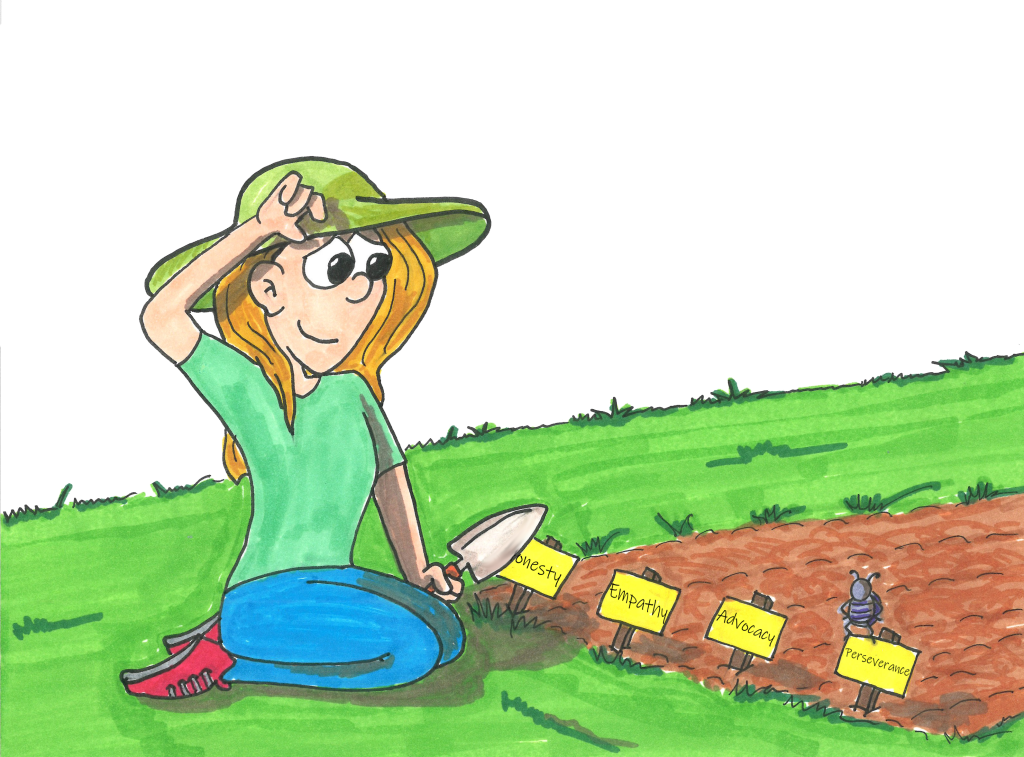
I know that many schools have character and leadership curriculum. For many students, these structures are enough to hone and develop these essential life skills. Like all learning though, many students need more personalized attention to recognize and understand their authentic selves. Understanding students deeply is critical, as the words, mannerisms and actions teachers use contribute to a student’s perception of themselves. Helping students explore and understand their voice is the key to helping students find and define leadership for themselves. Ultimately, it is the guidance and development of honesty, empathy, advocacy, perseverance and problem-solving skills. All these elements are critical in establishing a student’s voice, and what leadership looks like to them.
 
What I realize now from that meeting many years ago is that my principal awakened a part of myself that I did not yet see. As teachers, we have that same opportunity every day with our students. Let’s plant the seeds of possibility. I can guarantee that being cognizant of your students’ strengths, especially those they do not yet see or understand, could change their perception and trajectory of themselves forever.