Build the Bridge: Make your own Path

When I began the journey of Michigan Teacher of the Year back in August, I was incredibly nervous about this new and unknown experience. My colleague and dear friend Don Green saw me the day before I was officially stepping into the role, and he could sense my anxiety was high. Late that night, as I was preparing for the next day, my work email pinged. I opened it to find a message from him. At the end of the email, he wrote these words to me.
 
“I believe education is the path. I believe that education can be our silver bullet – to end systemic inequities, to level the playing field and give everyone the tools they need to make a better life.
 
“It is why your work this year is so important. Lift up students, lift up teachers, and in the process … you can tell me next year what lifted you up.”
 
I have come back to this email countless times over the past several months. His words wove into my heart as I worked to find the balance to the myriad educational challenges in tandem to wanting to embrace hope for the beauty and magic that this profession creates.
 
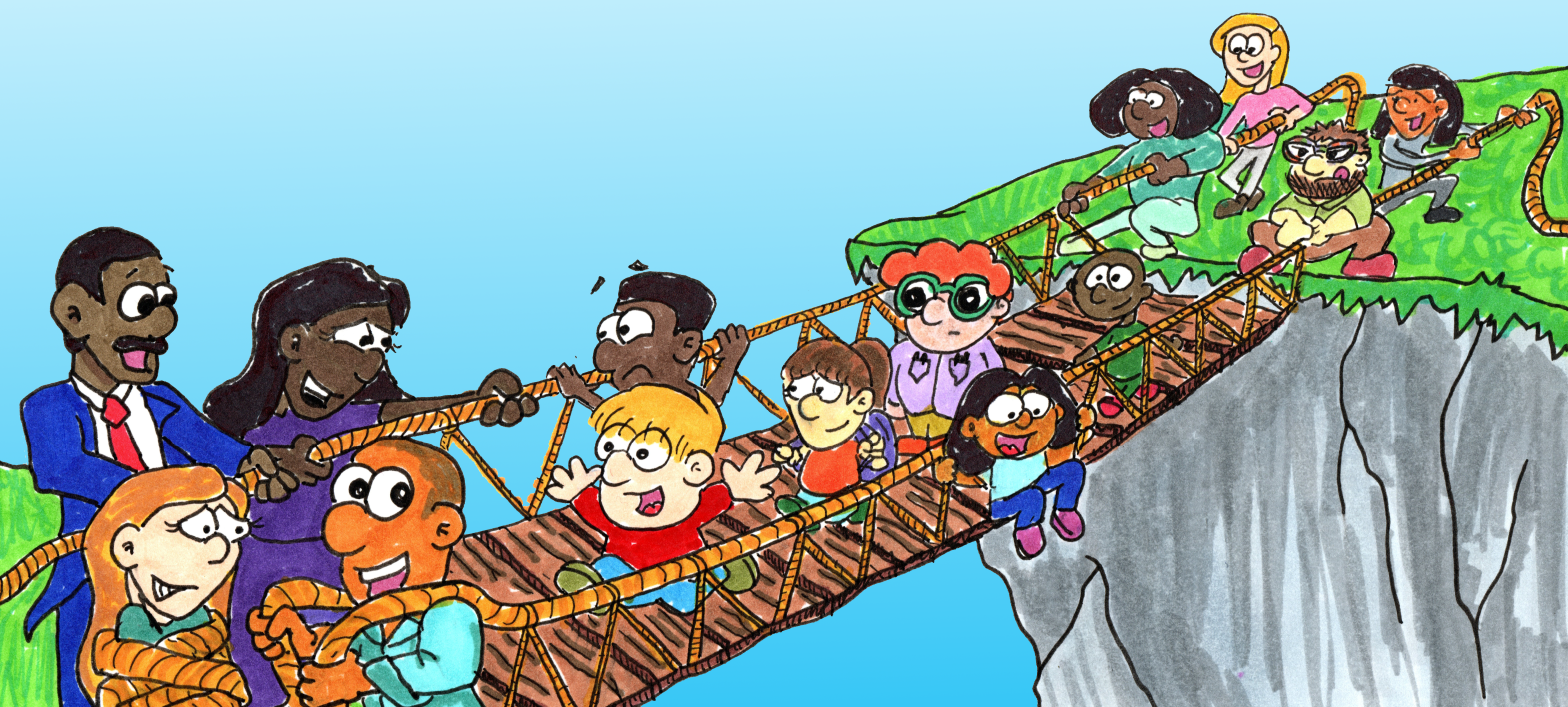
Last week, before heading to Washington, D.C., with the state teachers of the year, my class (with the encouragement of my co-teacher Lynne Cobb) painted pictures with inspiring messages for me. They were all beautiful, but one stood out. The picture was of a bridge, and next to it, my student painted the words “You Can Do This. Make your own path.”  
 
These messages, written months apart, feel like the rallying cry that all teachers need to hear as we wrap up this school year and imagine what the next one will bring. When I reflect on all the educators I have encountered across Michigan and the United States, one resonating and true fact is braided within all of them: 
 
They all want to be respected and build classroom environments that allow students to be themselves while they grow, connect and thrive.
 
Teachers are the ultimate community builders. We know what it takes to create a community for our students. It is now time to use our collective voices to advocate for the educational system that students and teachers across the state and nation deserve.  
 
There are over 87,000 teachers in Michigan and over 3.2 million across the United States. We can make the change; it is right there on the horizon, if we only would work together collectively to reach it. 
 
I know this may feel like an insurmountable task. I imagine many of you are reading this thinking of that time you tried to use your voice and were silenced by those who think they know better.
 
Believe me, I have been there, too.
 
One voice can be silenced. A collection of voices cannot be ignored.
 
Last week, I heard Secretary of Education Miguel Cardona speak these words to a group of educators:
 
“When you walk in the room, you are the expert on education. Don’t ever think you don’t belong there.”
 
I know that often the voices of teachers are ignored or demeaned. Your voice is important, and it matters. This may be the most crucial time in education across the United States. We are at a fork in the road, and the decisions that will be made in the next several months will determine structures for years to come. Our silence right now provides the opportunity for those that have little to no experience in the classroom the autonomy to decide what they think is best for public education. 
 
Let’s use our voices to elevate students and educators. We must fight for the changes that are greatly needed. No one is going to do it for us. We can build the bridge together and forge a new path for education across Michigan and beyond by doing the thing we teach every day to our students – to work together in a connected community.

The Time is Now to Support Teachers and Staff

If you were to step into the shoes of any teacher across the state right now, you would more than likely experience something like this:

Teachers are instructing the children they have in person, while keeping kids spread apart, masked and limited in the way they can deliver instruction because of safety concerns. Maybe they have no COVID protocols in their district at all, which leaves them terrified of what they may be exposed to and bring home to their families. These protocols and expectations are ever changing, adding more stress and pressure to keeping all expected systems and health procedures up to date.

Educators are simultaneously teaching and maintaining a remote classroom, while building work packets and materials for students that are in quarantine or ill themselves. They are supporting colleagues’ classrooms by providing coverage during their planning time and preparing sub plans for their ill teaching partners who are unable to prepare their classroom for a guest teacher. They are trying to instruct students who have been isolated, traumatized and removed from the structures and routines of school for so long that they need support beyond what one person can give. Many students have delayed or challenging social development hurdles.

Countless positions remain unfilled as there are no applicants or people qualified for the open positions. They are attempting to support kids in learning gaps and academic needs that have grown over the last two years, while still teaching their grade level or content area standards. Many teachers are feeling pushback and being questioned about what they are teaching.

Along with all of this, they are still expected to be evaluated, give standardized tests, district assessments, participate in professional development, support contact tracing and keep their teaching environment a clean place.

This scenario is heartbreakingly true.

I could share a snapshot of every job in schools now, but you would see the same patterns arise in each one. School professionals are not OK. The challenges, stress and pressure of this school year have far surpassed the previous pandemic teaching year in ways that were impossible to fathom last summer.

While the past two years have added so many hurdles, the crisis in schools has been brewing for a long time. Years of funding cuts, consolidation of staff, additional work responsibilities from absorbed positions, and the perpetual attacks on education systems and unions have created the perfect storm we are now facing.

There is hope on the horizon as there are many voices, including the governor and Michigan Department of Education, that are fighting tirelessly to support educators and students. They recognize the urgency for recruitment in a variety of education professions, the need to not only increase funding, but maintain that level of funding for years to come and understand the tremendous need to support teachers and educational staff that are currently in schools. These initiatives, if they can be implemented, will take time, though, and in some cases years to see the relief and impact of these changes.

The day-to-day challenges and pressures that are occurring in schools at this very minute remain, and I fear that if we don’t address some very urgent issues, that our most difficult days may still be ahead.

The pandemic has brought forth a collective trauma that we are only beginning to understand and process in education, and honestly, every aspect of our lives. In Alex Shevrin Venet’s book “Equity-Centered Trauma-Informed Education,” she speaks of the need to establish trauma and equity awareness in our decision making. This can be done by establishing classroom structures and routines that embrace four critical priorities: predictability, flexibility, empowerment and connection.

She then states, “Leaders can change school culture by modeling the unconditional care and equity-centered practices that you hope your teachers will use with their students.” These same tenets should be established for the entire school community and be the model for the structures administration put in place for their staff.

There is so much that cannot be controlled in this tumultuous and challenging educational landscape, but imagine if educational staff could rely on those four priorities every day? Or even have one of those priorities consistently?

Any small support now would be a collective sigh of relief to many. It would be an acknowledgement that districts and administrators see and understand the unprecedented challenges that educators are facing each day. Giving autonomy, consistency and acknowledgement of the challenges in practical, immediate ways would take something from the overflowing plates of staff. It isn’t a fix, but it may just be the sliver of light that is needed for so many at the moment.

Educators are resilient and creative problem solvers. They have been keeping our educational system afloat for years as it has been crumbling around them.

Teachers don’t ask for much, but there has never been a more critical time to support them. Respect them. Trust them. Recognize the very real challenges that those in schools are facing each and every day.

Remove the work that is not pertinent to students’ mental health, safety and learning at this very moment. Show educators you see and hear them through your actions and expectations. The welfare of teachers depends on it.