Build the Bridge: Make your own Path

When I began the journey of Michigan Teacher of the Year back in August, I was incredibly nervous about this new and unknown experience. My colleague and dear friend Don Green saw me the day before I was officially stepping into the role, and he could sense my anxiety was high. Late that night, as I was preparing for the next day, my work email pinged. I opened it to find a message from him. At the end of the email, he wrote these words to me.
 
“I believe education is the path. I believe that education can be our silver bullet – to end systemic inequities, to level the playing field and give everyone the tools they need to make a better life.
 
“It is why your work this year is so important. Lift up students, lift up teachers, and in the process … you can tell me next year what lifted you up.”
 
I have come back to this email countless times over the past several months. His words wove into my heart as I worked to find the balance to the myriad educational challenges in tandem to wanting to embrace hope for the beauty and magic that this profession creates.
 
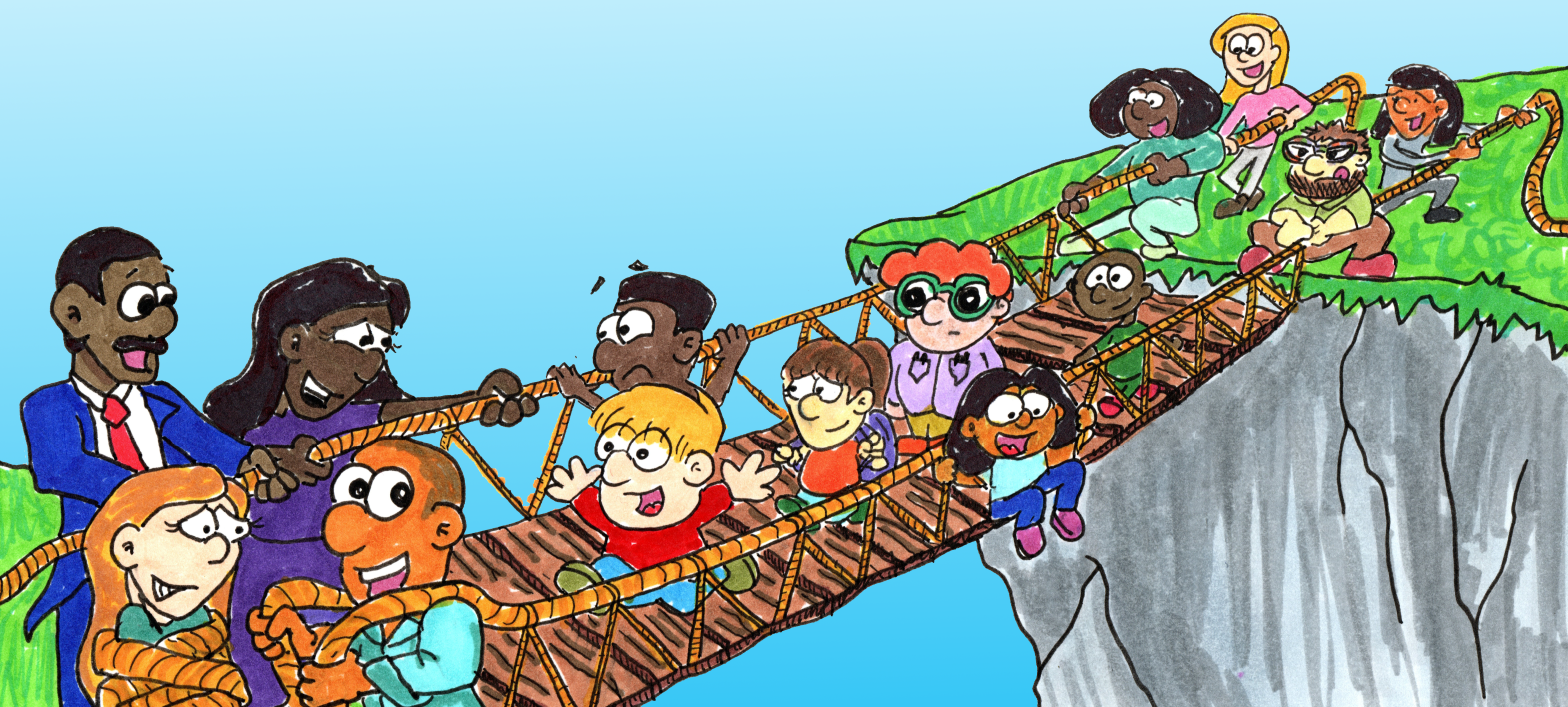
Last week, before heading to Washington, D.C., with the state teachers of the year, my class (with the encouragement of my co-teacher Lynne Cobb) painted pictures with inspiring messages for me. They were all beautiful, but one stood out. The picture was of a bridge, and next to it, my student painted the words “You Can Do This. Make your own path.”  
 
These messages, written months apart, feel like the rallying cry that all teachers need to hear as we wrap up this school year and imagine what the next one will bring. When I reflect on all the educators I have encountered across Michigan and the United States, one resonating and true fact is braided within all of them: 
 
They all want to be respected and build classroom environments that allow students to be themselves while they grow, connect and thrive.
 
Teachers are the ultimate community builders. We know what it takes to create a community for our students. It is now time to use our collective voices to advocate for the educational system that students and teachers across the state and nation deserve.  
 
There are over 87,000 teachers in Michigan and over 3.2 million across the United States. We can make the change; it is right there on the horizon, if we only would work together collectively to reach it. 
 
I know this may feel like an insurmountable task. I imagine many of you are reading this thinking of that time you tried to use your voice and were silenced by those who think they know better.
 
Believe me, I have been there, too.
 
One voice can be silenced. A collection of voices cannot be ignored.
 
Last week, I heard Secretary of Education Miguel Cardona speak these words to a group of educators:
 
“When you walk in the room, you are the expert on education. Don’t ever think you don’t belong there.”
 
I know that often the voices of teachers are ignored or demeaned. Your voice is important, and it matters. This may be the most crucial time in education across the United States. We are at a fork in the road, and the decisions that will be made in the next several months will determine structures for years to come. Our silence right now provides the opportunity for those that have little to no experience in the classroom the autonomy to decide what they think is best for public education. 
 
Let’s use our voices to elevate students and educators. We must fight for the changes that are greatly needed. No one is going to do it for us. We can build the bridge together and forge a new path for education across Michigan and beyond by doing the thing we teach every day to our students – to work together in a connected community.

How Teachers Help Students Shine

If you’ve spent any time connected to the learning of students this year, you know that the impact the pandemic has made is unprecedented. The learning landscape has been complex, and the legacy of what has happened will take years to fully understand. I could examine the endless cascade of hurdles on both teachers and students’ shoulders, but that has been done in countless ways over the past months and will continue well beyond this school year.
 
This time, I don’t want to do that.
 
Instead, I want to celebrate the learners across our state and some of the magical moments I have witnessed in my travels over the past several months. Despite the challenges, I have observed time and time again the creativity, engagement and brilliance of learners because they’ve had educators who  push aside the pressures of the moment and see students for who they are. And because of that, the confidence and growth of these students is exponential. It is the very essence of what makes this profession beautiful and rewarding.
 
I sat in a kindergarten classroom in St. Johns where I watched a teacher supporting her littlest learners in building reading stamina by examining pictures while making text-to-self connections about feelings. The students sat for five minutes, slowly turning pictures, whispering to themselves and practicing what it feels like to be a reader while simultaneously connecting to the emotions of the characters of the story. After the five minutes were up, the teacher invited the students to share with a partner, then asked for a few students to share with the class. A little girl raised her hand, and her teacher invited her to the front of the room. She placed an informational book about wolves underneath the camera projector and a picture of a pack of wolves eating another animal popped up on the screen. The student exclaimed, “This is how I feel when I am hungry! I just want to eat everything around me!” Her joy and excitement to share her connection was infectious as many other students began to raise their hands, inspired by her confidence. 
 
I spent the day at Caro High School to see their first in-person musical in two years, “Chicago.” I was sitting in the auditorium long before the show began while their director was giving them feedback about the performance from the night before. She began to discuss with two of the student actors about the need to add in a minute-long dance sequence to help another actor change costumes. I watched the two students choreograph the dance within minutes, practicing it only once, and then, during the show, do the dance flawlessly as if it had been rehearsed for months. Their creativity, spontaneity and collaboration were extraordinary to witness and continued to affirm to me the power that the arts bring to youth.
 
I was visiting an elementary school in Pontiac, and when I stepped into the classroom, the teacher was reviewing the laws that the British passed to the colonists in America. Trying not to disrupt, I tiptoed in quickly and found a seat at a round table in the back of the classroom near a student sitting by himself. After the review, the teacher had his fourth-graders take a few minutes to reflect on a text they were reading comparing George Washington and King George. He then asked the students to write down some thoughts on a sticky note about things they noticed and wondered about King George. As I turned around to observe the student behind me, he asked if he could share his thoughts aloud to me. I happily agreed. This incredible student then spent the next three minutes explaining in detail what he noticed. He gave oral justifications to every point with evidence from the text, discussions with peers and his own rationale. I was blown away at his ability to connect a variety of sources and defend his positions with evidence. His knowledge and ability to orally communicate his message left me in awe.
 
At a charter academy in Benton Harbor, I was invited to read to a class of first-graders. As I stood at the front of the room, I began talking to them about the types of books we read, and how they help us learn, laugh and grow. I then shared that some of those books nestle into your heart; those are the special books that stay with you forever. I introduced the book I was about to read (“How Rocket Learned to Read” by Tad Hills) and shared that this book would be forever entwined in my heart because of reading it over and over to my kindergarten students when we were learning from home at the beginning of the pandemic. I then asked the class if they had books that nestled into their heart. To my surprise, every student started to excitedly share their favorite books, turning to the pocket on the back of their chair and pulling out books. Some held them high, pointing at their favorite characters; some hugged them close to their chests like they were holding a prized possession. I had to turn away for a moment, overwhelmed with emotion by their pure love of stories.
 
I could write about countless other moments just like these.
 
Here is what I know. No matter how complicated things become, or as divisive as things feel, or as overwhelming educators are collectively, the beauty and love of learning is present every day. It is more important than ever that we give students the autonomy to develop their brilliance, creativity and joy of learning. It is the sunlight emerging from the horizon and will be our guide while we make our way through this challenging time. 

Lessons from ‘The Giver’: Fight to Keep Books in Hand

I grew up in a household that valued and modeled lifelong learning by collecting and reading countless books. We took weekly trips to the library, and I always received a new book for each holiday and birthday. My mom always knew the books I needed at different moments in my childhood. Her guidance and thoughtfulness in book selection transformed my thinking, awakened the complexities and beauty of the world around me, and brought comfort and connection in the challenging moments and times of my life. 
 
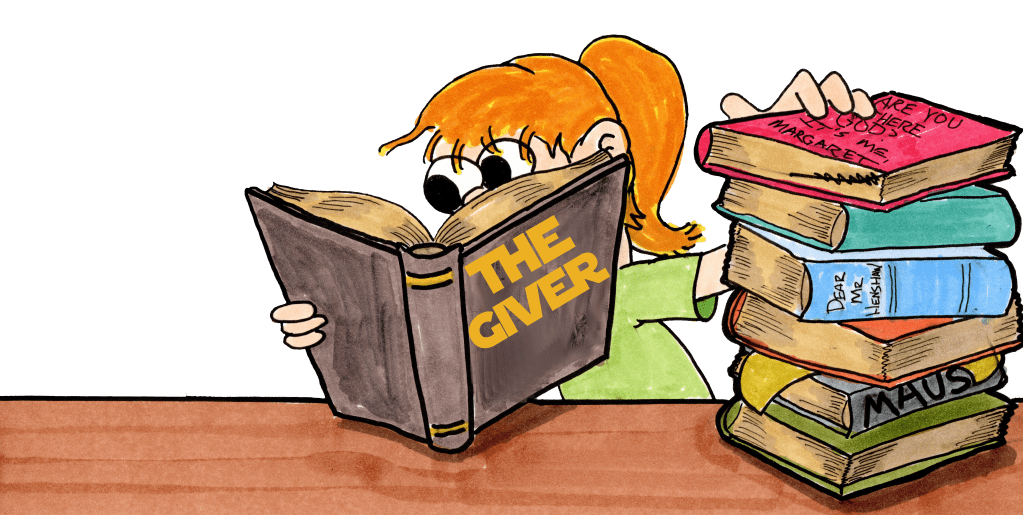
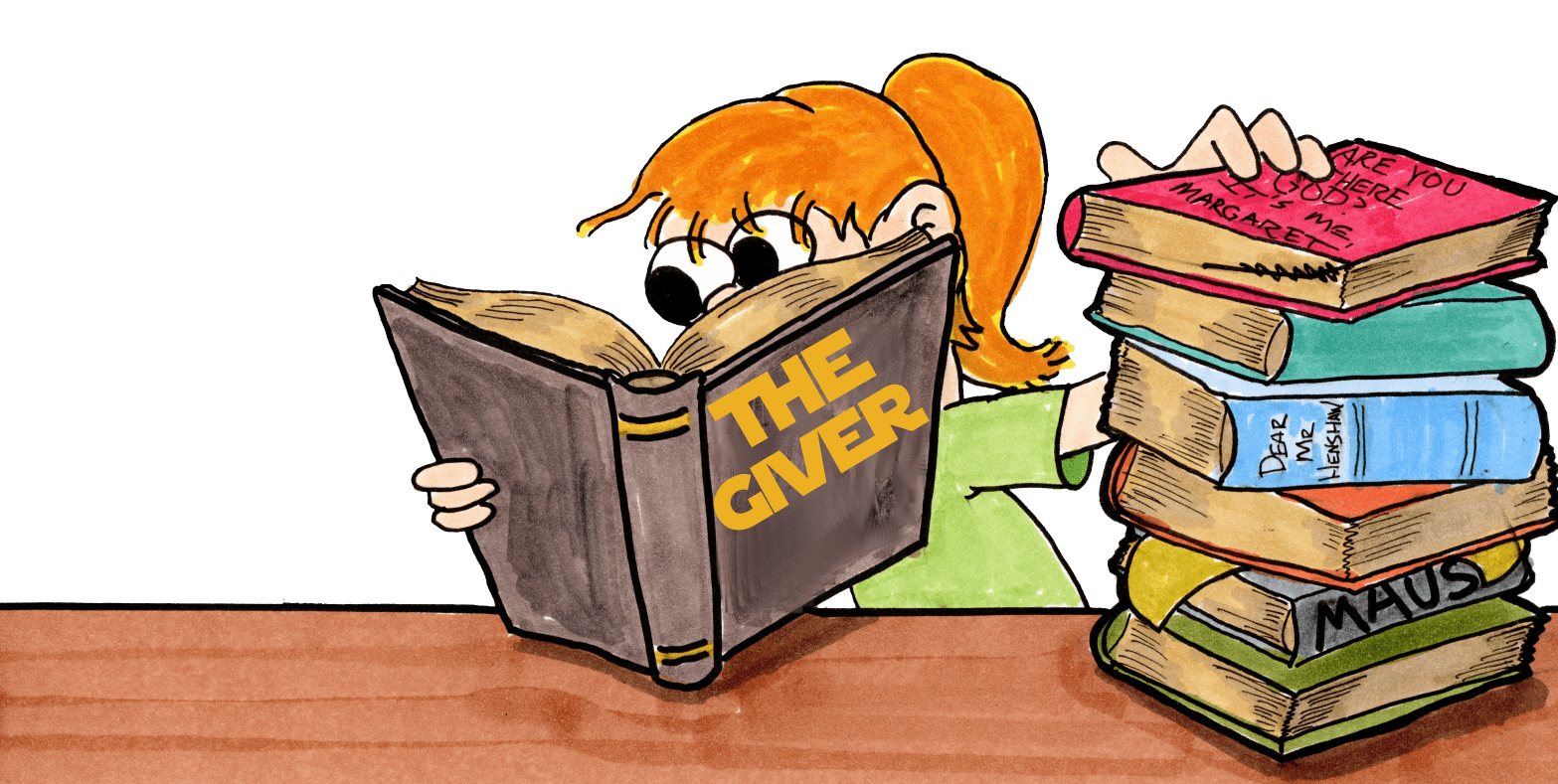
First, there was “Dear Mr. Henshaw” by Beverly Cleary. It is the first book I remember reading that felt like I was walking in the shoes of someone else. The loneliness, sadness and depth of the main character, Leigh, and how he processed his life through writing, inspired me to use writing as a vehicle to understand and express my own struggles and feelings.
 
A couple of years later, my mom gave me “Are You There God? It’s Me, Margaret” by Judy Blume. I read this book countless times because I felt truly seen by it. It validated my own internal struggle with the changes and challenges that occur in your early teens. It also beautifully captured the essence and experience of navigating your own blossoming opinions and thoughts about the world. Reflecting now, Margaret was my first literary model in how girls have a voice and opinions, and that they may differ from those closest to you.
 
Then, I was given a book that changed everything for me. “The Giver,” by Lois Lowry, was my first experience in book form about the complexities of the world – its indelible beauty and heartbreak. Reading “The Giver” was an awakening similar to the one that the main character Jonas experiences. The world first in black and white is transformed into spectacular color and depth. It was the first book that I finished and immediately went back to the beginning to re-read, my mind whirling from the ending (that cliffhanger!) and my deep desire to experience the story all over again. 
 
No matter how many times I have re-read “The Giver,” I have always been in awe of the craft of storytelling, and how, no matter your age, you are transported into the perspective of Jonas and his desire to fight for the beautiful and complex world he is just beginning to understand.
 
I didn’t know it at the time, but most of the books that became woven into my heart, their stories intertwined in my own adolescence, were books that had been or would become commonly banned. Was this intentional on my mom’s part? I am not sure. But my mom was someone who had embraced reading as a consistent friend throughout her entire life and saw books to develop empathy and understanding. She understood that books were a window into the possible and the unknown. She knew that by providing me with books that made me think, question and connect, those feelings and emotions would continue to form my perspectives of the world around me. What an incredible gift she gave me.
 
My mom was like Jonas.
 
In my high school American Literature class, I spent the year reading historically banned books. “To Kill a Mockingbird” by Harper Lee. “The Adventures of Huckleberry Finn” by Mark Twain. “A Prayer for Owen Meany” by John Irving. “The Great Gatsby” by F. Scott Fitzgerald. My teacher, Ms. Solomon, took us on a literary journey that transcended our classroom. She had poignant, honest, thoughtful discourse and debate around these books’ themes, and their relevance both historically and in the current landscape of the world. She did not shy away from the complexities of these stories, and I grew exponentially in my thinking, understanding and perspective.
 
Ms. Solomon was like Jonas.
 
When I read about the current wave of attempted and successful book banning sweeping the country, I am both heartbroken and sickened by it. I think of new young adult and picture books I have read over the last few years. “Long Way Down” by Jason Reynolds. “Front Desk” by Kelly Yang. “Julian Is a Mermaid” by Jessica Love. “Refugee” by Alan Gratz. These books build empathy for others that is only replicated through one’s own lived experiences. The importance of books like these is more critical than ever as we continue to advocate and fight for equity for vulnerable youth and historically marginalized communities. We will never change the narrative in our society if we strip away the opportunity to have access to books like these. Banning books takes away the opportunity to build upon our own humanity.
 
I know that I am the person I am today because literature has been such a prominent and important part of my life. I also understand that because of people like my mom and Ms. Solomon, I was given the opportunity to be challenged and reflective through the pages of books that allowed me the opportunity to develop a critical understanding of the world around me. It is of greatest importance that we give those same opportunities to all students. As a mother and a teacher, I will always fight to provide access to books that help us explore this beautiful and complex world.
 
If only we could all be like Jonas.

The Time is Now to Support Teachers and Staff

If you were to step into the shoes of any teacher across the state right now, you would more than likely experience something like this:

Teachers are instructing the children they have in person, while keeping kids spread apart, masked and limited in the way they can deliver instruction because of safety concerns. Maybe they have no COVID protocols in their district at all, which leaves them terrified of what they may be exposed to and bring home to their families. These protocols and expectations are ever changing, adding more stress and pressure to keeping all expected systems and health procedures up to date.

Educators are simultaneously teaching and maintaining a remote classroom, while building work packets and materials for students that are in quarantine or ill themselves. They are supporting colleagues’ classrooms by providing coverage during their planning time and preparing sub plans for their ill teaching partners who are unable to prepare their classroom for a guest teacher. They are trying to instruct students who have been isolated, traumatized and removed from the structures and routines of school for so long that they need support beyond what one person can give. Many students have delayed or challenging social development hurdles.

Countless positions remain unfilled as there are no applicants or people qualified for the open positions. They are attempting to support kids in learning gaps and academic needs that have grown over the last two years, while still teaching their grade level or content area standards. Many teachers are feeling pushback and being questioned about what they are teaching.

Along with all of this, they are still expected to be evaluated, give standardized tests, district assessments, participate in professional development, support contact tracing and keep their teaching environment a clean place.

This scenario is heartbreakingly true.

I could share a snapshot of every job in schools now, but you would see the same patterns arise in each one. School professionals are not OK. The challenges, stress and pressure of this school year have far surpassed the previous pandemic teaching year in ways that were impossible to fathom last summer.

While the past two years have added so many hurdles, the crisis in schools has been brewing for a long time. Years of funding cuts, consolidation of staff, additional work responsibilities from absorbed positions, and the perpetual attacks on education systems and unions have created the perfect storm we are now facing.

There is hope on the horizon as there are many voices, including the governor and Michigan Department of Education, that are fighting tirelessly to support educators and students. They recognize the urgency for recruitment in a variety of education professions, the need to not only increase funding, but maintain that level of funding for years to come and understand the tremendous need to support teachers and educational staff that are currently in schools. These initiatives, if they can be implemented, will take time, though, and in some cases years to see the relief and impact of these changes.

The day-to-day challenges and pressures that are occurring in schools at this very minute remain, and I fear that if we don’t address some very urgent issues, that our most difficult days may still be ahead.

The pandemic has brought forth a collective trauma that we are only beginning to understand and process in education, and honestly, every aspect of our lives. In Alex Shevrin Venet’s book “Equity-Centered Trauma-Informed Education,” she speaks of the need to establish trauma and equity awareness in our decision making. This can be done by establishing classroom structures and routines that embrace four critical priorities: predictability, flexibility, empowerment and connection.

She then states, “Leaders can change school culture by modeling the unconditional care and equity-centered practices that you hope your teachers will use with their students.” These same tenets should be established for the entire school community and be the model for the structures administration put in place for their staff.

There is so much that cannot be controlled in this tumultuous and challenging educational landscape, but imagine if educational staff could rely on those four priorities every day? Or even have one of those priorities consistently?

Any small support now would be a collective sigh of relief to many. It would be an acknowledgement that districts and administrators see and understand the unprecedented challenges that educators are facing each day. Giving autonomy, consistency and acknowledgement of the challenges in practical, immediate ways would take something from the overflowing plates of staff. It isn’t a fix, but it may just be the sliver of light that is needed for so many at the moment.

Educators are resilient and creative problem solvers. They have been keeping our educational system afloat for years as it has been crumbling around them.

Teachers don’t ask for much, but there has never been a more critical time to support them. Respect them. Trust them. Recognize the very real challenges that those in schools are facing each and every day.

Remove the work that is not pertinent to students’ mental health, safety and learning at this very moment. Show educators you see and hear them through your actions and expectations. The welfare of teachers depends on it.

Building A Classroom of Equity: A Lifelong Journey

Character diversity in text allows students the experience to see themselves within the pages of a text. Comic superheroes have been increasing in diversity over the years, with representation of different races, cultures and sexual identities.
The diverse comics showcased in the artwork: Thor (Jane Foster), A-Force (all-female Avengers team), Ms. Marvel (Kamala Khan, Pakistani-American), Captain America (Sam Wilson, African-American), Superman (Jon Kent, bisexual), Spider-Man (Miles Morales, Hispanic/African-American).

A few days into the school year, I was reading a book with one of my students. As she was turning the pages to preview the book, she stopped on the second page and pulled the book close to her face. She immediately set it back on the table, pointed to the character on the page and exclaimed, “Mrs. Porter, this girl looks just like me!” 

She was right. She and the character in the book had the same hair, the same complexion. The book was centered around siblings in a black family. Her enthusiasm and interest in the book visibly increased as soon as she saw herself within its pages.

As I was driving home that night, my mind was whirling. I couldn’t stop thinking about what happened with my student and wondered how often she had experienced texts in school or at home where she saw herself. It broke my heart to think how infrequently this must have happened based on her reaction to this book. This situation, like countless others, continues to hold me accountable to do better for all students, but especially my students of color. The work of equity and accessibility is the most important and essential work in education.

Over the last several years, I have worked hard to lean-in to building a classroom through a lens of equity and accessibility for students. It has often been a complex and humbling journey.  Through my experiences in this work, I know I will be on this path of discovery and understanding for the rest of my life.

Often, a teacher’s classroom mirrors their own experiences, traditions and ways that they themselves grew and flourished in school. When we meet a new class, connecting, understanding and building relationships with students that you can relate to are fairly easy. How then, do we develop connectedness with students who are different from us?

In her book “Cultivating Genius: An Equity Framework for Culturally and Historically Responsive Teaching,” Gholdy Muhammed discusses the necessity of teachers to self-reflect in order to teach students to know themselves and others. She shares that it is a teacher’s responsibility to unpack their own history, identity, biases, assumptions and tensions with racism and other oppressions they have learned, experienced and practiced. 

The most important thing we can do as educators is to fully understand ourselves and who we are, which gives us the tools to deeply know and celebrate our students. Developing these authentic relationships gives teachers the opportunity to build instruction that will spark their drive to learn.

Teaching with equity means teaching students with the lens of empathy and humanity. It is about building relationships with your students and their families to help them feel comfortable and seen. It also means reflecting on our teaching practices and analyzing with a critical lens who our lessons serve.

Do our students see themselves in the stories we read? Do our lessons recognize the beauty and the diversity of the world through people, cultures and celebrations? Are we acknowledging the challenges our students experience outside of the classroom, and do we strive to understand and support them? These are essential questions all teachers should be asking themselves each and every day. 

As for me, I will continue to hold in my heart my greatest dream for education; to see an educational system that allows each child the freedom to be themselves, to have security and trust in their learning space, and to be celebrated for all that they are. It lies directly on our shoulders every day to fight for this very classroom setting for every single student across Michigan and beyond.

A Love Letter to Kindergarten

Last week, I went to my school mailbox and pulled out a piece of lined paper with my name on the front. I opened it up, and it was a letter from a former kindergarten student. He wrote me a note sharing about how important I have been to him over his years at Wilcox (he is in his final year in the building). As often happens with these letters, tears filled my eyes, and I added it to my collection of drawings and letters that have been given to me over the years, a visual collage of memories that are entwined in my heart.

This time last year, I had no idea that I would be teaching anything other than kindergarten. I had dedicated my entire career to K and put my whole heart into each and every day. So much of my adult identity was encompassed in the walls of my kindergarten classroom. Who was I if not a kindergarten teacher?

The truth is, when I was hired to teach K in 2006, it was far from my first choice in positions. I never saw myself teaching K in my wildest imaginations. At the time, I was so grateful to be hired, as there was an extensive teacher surplus in the state of Michigan at the time. After going a year without a job in education, I saw this as my “foot in the door” that would propel me to the teaching I thought I was meant to do. Little did I know at the time that I was about to embark upon one of the most meaningful journeys of my life.

When I met my first class, I was terrified. The responsibility of being the instructor of a classroom of students washed over me like a tidal wave. I wanted to do my very best, but I was so nervous. Regardless of the preparation you receive from your education program, it never really prepares you for the day-to-day reality of the classroom. I had two wonderful mentors to guide me, but the minute-by-minute decisions in the classroom were mine alone. That year was messy, exhilarating, challenging, magical and ultimately full of hugs from my little learners. I made a ton of mistakes, but I know this: I loved each and every one of those students to my core.  

Despite my initial hesitancy in teaching primary students, after my first year, I was hooked. There is so much creativity that occurs each day in a kindergarten room.  I loved the singing, the dancing, the social play, the art, the cooking experiences, creating math games, exploring science through nature, the shared reading and writing, the show and tell, and most importantly, the books! Fostering a love of reading in my kindergarten students was my absolute favorite.  

There were countless challenges over the years, but the magic of being a child’s first teacher was one that I loved and took seriously. There is nothing quite like teaching primary students. Every bit of learning is exciting, and their joy is infectious. Young children are innately kind, sensitive and helpful. Having the opportunity to build the foundation of a lifelong love of learning in my kindergarteners is the best experience I will ever have in teaching. Nothing will ever come close to it.  

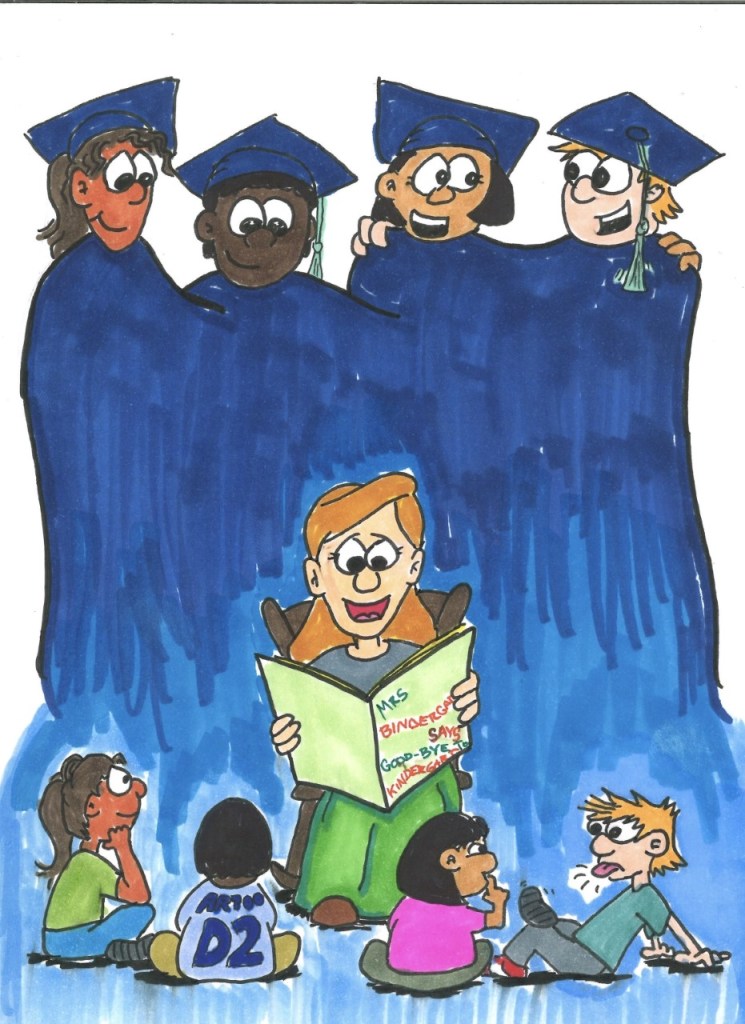
The unexpected gift of being a child’s first teacher is that you get the honor of watching them grow throughout their elementary years and beyond. The relationships with students and their families have meant the world to me. In 2019, my first class of kindergarteners graduated from high school.  Many returned for a senior reception, hosted by our staff. As they walked the halls of their former elementary school in their caps and gowns, I was overwhelmed by the amazing people they had become. When we chatted together after, they shared memories from my classroom, which touched my heart in ways that can’t be fully expressed. A few days later, I sat in the audience at their graduation and watched those students receive their diploma. Teaching is the work of life.

Over the years, I have heard from many people that “you are just a kindergarten teacher,” like the idea of working with first-year students was less than some of the most important work in the whole, entire world. I realize that I will always be a kindergarten teacher. It is a badge of honor that I carry deep within me. The experiences, perspectives and the connections I have made over the years will forever be embedded in any teaching I ever do. I am so proud of that.

On my last day of kindergarten this past school year, I read “Miss Bindergarten Celebrates the Last Day of Kindergarten” by Joseph Slate.  I had read this book on the last day of school for each class I ever had, its pages worn, the cover bent from age. After I was finished (I barely got through it), I had each of my students sign the book. That book is a physical symbol of all the love and joy that teaching kindergarten has brought into my life; 15 kindergarten classes, hundreds of students, and countless memories of the pure joy of teaching the littlest learners.

“When I was a kindergarten teacher …”

A Vision for the Year: Understanding Our Students

We are beginning the third school year to be impacted by the pandemic. I can hardly believe that to be true. Thinking back, when my sweet kindergarten students walked out of the classroom for the final time on March 13, 2020, I could never have imagined that those same students would be entering second grade still facing an ever-changing pandemic classroom.

As educators, we have been on the roller coaster ride of our lives for the past 18 months. Uncertain of when the next drop or turn would occur, we collaborated, problem-solved and worked countless invisible hours to build instruction from the ground up. I have witnessed the creativity, power and care of educators countless times over my career, but never to this magnitude.

Talk to any teacher, and I can bet all would state first and foremost that they only survived those uncertain and scary months because of the support of their colleagues. I will forever be in awe of the amazing educators that surround me.

All that said, WE ARE TIRED. It’s not just me, right?

I thought the summer would bring revitalization, as the summers usually do. But with a new school year ahead, and the continued uncertainty of COVID looming over us, it is difficult to not feel overwhelmed and exhausted.

The first step is owning that. I don’t believe as educators we speak of the challenges enough. It’s OK to feel all those things but also care tremendously for our students and our teaching. We can feel and embrace both.

Welcoming students back to the classroom this year, in whatever setting has been designated by your district, will be one of the most important transitions back to learning in recent times. Thinking about everything we have been through, it will be vital to be gentle – to both students and ourselves. Each day since the pandemic began, we have been navigating uncharted waters. School as we know it is forever changed from this tumultuous time, and it is our responsibility to own and create a new vision for ourselves and our students.

Developing relationships will be the most important. Understanding who your students are, where they come from and the challenges they face outside of the classroom will be instrumental in developing their sense of safety and trust of you. We all work on this every year, but this year, more than ever, I believe it will be critical. If students do not feel safe in the classroom, and have trust in their teacher, it is impossible for that student to thrive.

I know all of us will feel the insurmountable pressure surrounding growth in academics. We know the pandemic was challenging for learners, despite the endless work from teachers and support staff. I know many of us will feel a sense of urgency to dive right into instruction, our heads spinning with all they may have lost, instruction they missed, and all the new learning ahead of them this year.

As hard as this may be to hear, I know that putting this kind of pressure on ourselves will only make the students feel that same pressure. We need to be the models for how to navigate this unique time in education. If we feel the weight and worry of lost learning, students will feel it, too. If we take each learner for who they are, we have the opportunity to create a learning environment that helps build confidence in what students know and provides the tools to help them develop at their own pace.

This is against the grain for most of us, as pacing pressures are always present, but this year especially, the need to see kids as exactly who they are and all they do know, will be the catalyst for true and steadfast growth throughout the school year.

In the end, as we have always done, teachers will rise to face the daily, minute-by-minute obstacles that will come our way. Just know that you are not alone. The work you do each and every day is valued beyond measure. Together, we will continue the endless pursuit of providing the best education possible to each and every one of our students.

Tribute at the Michigan House of Representatives

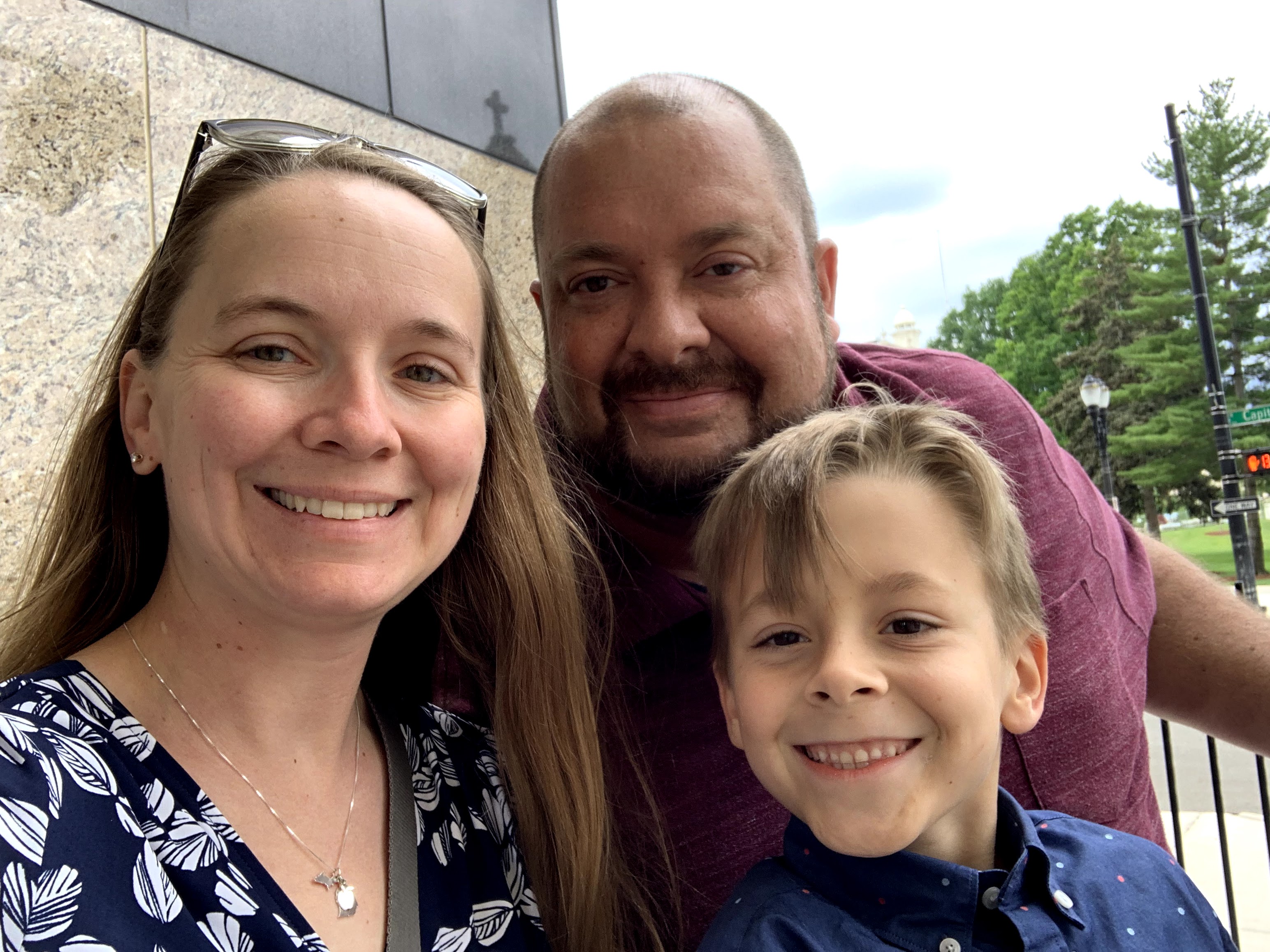
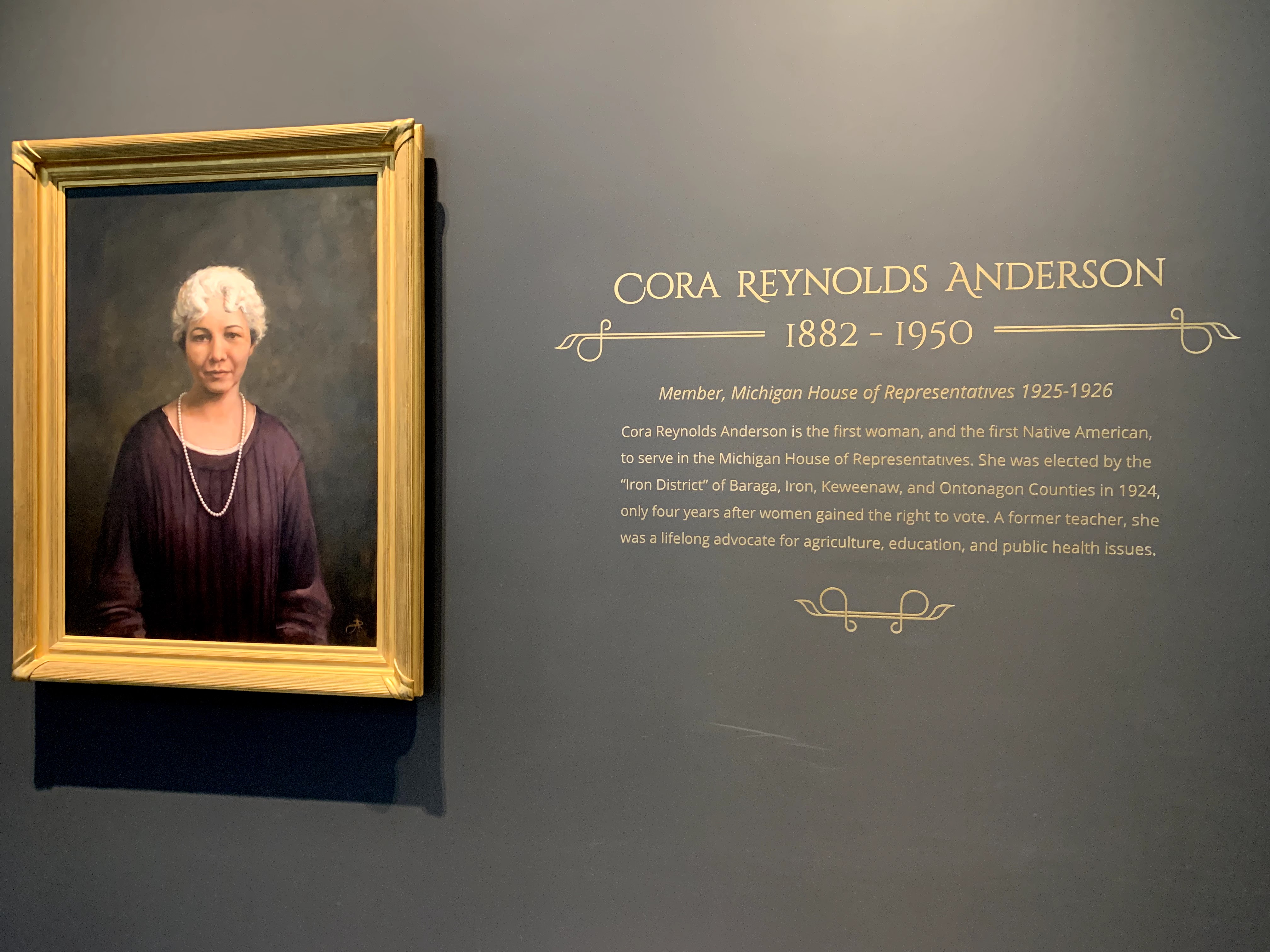
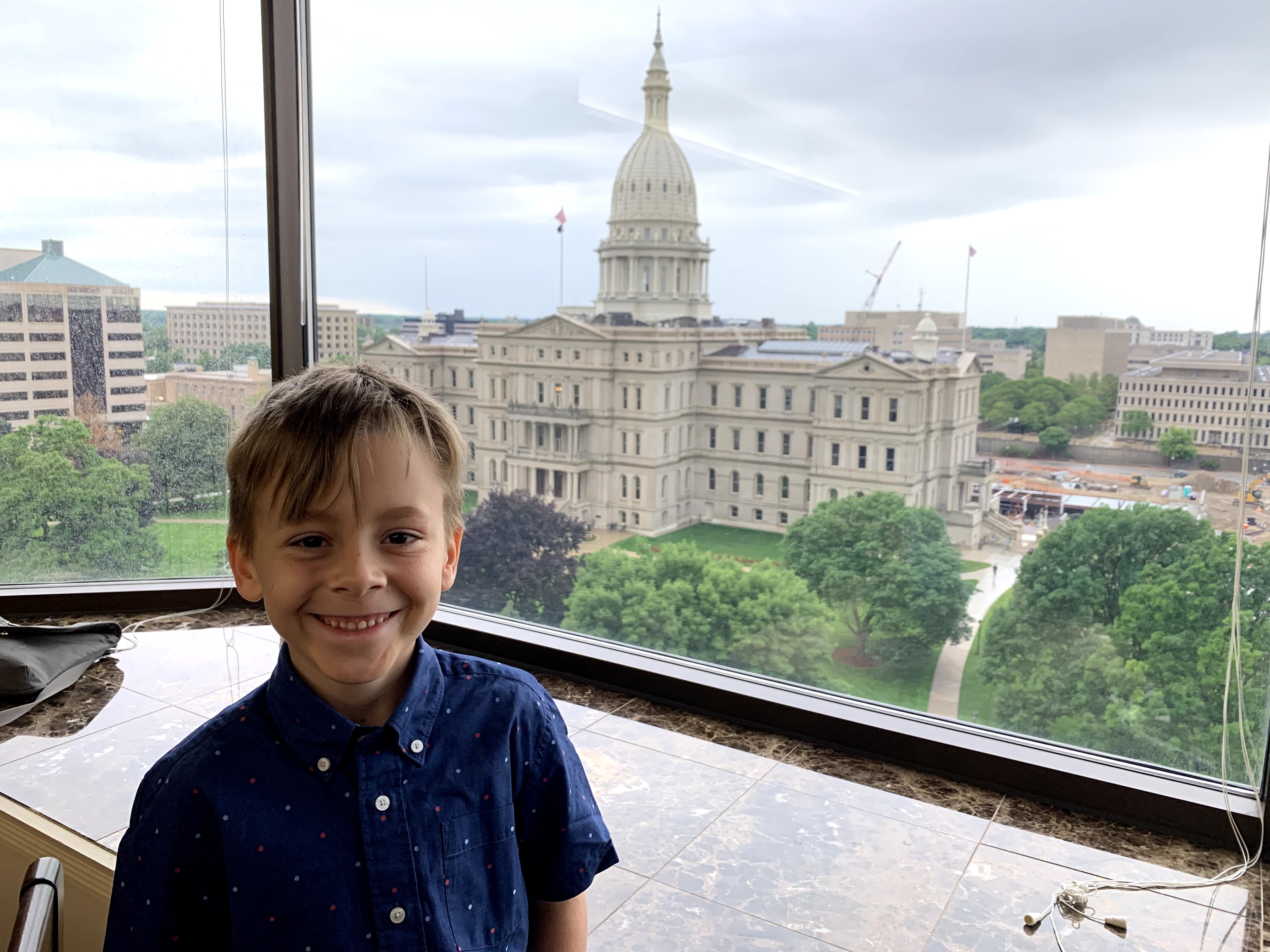
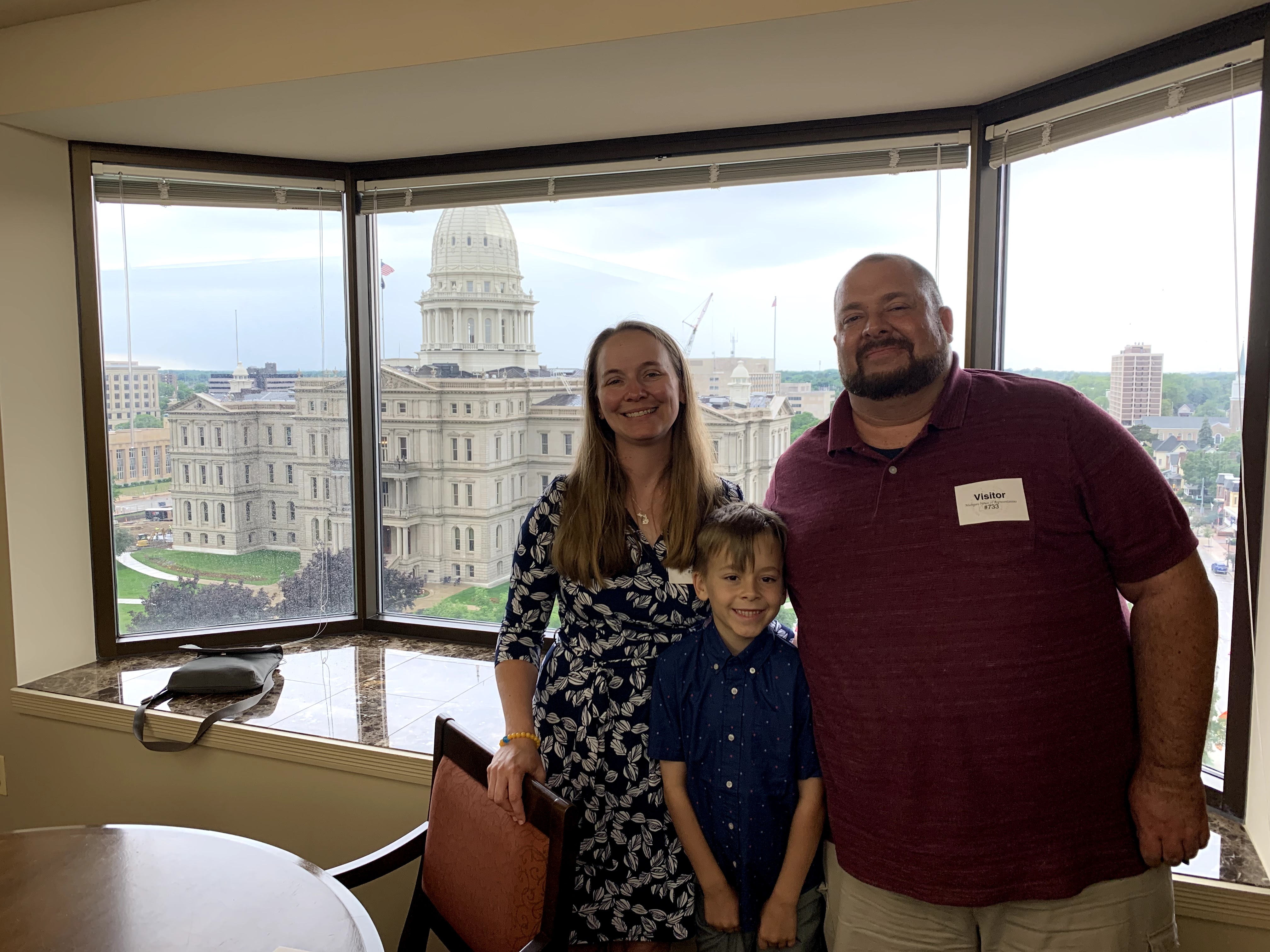
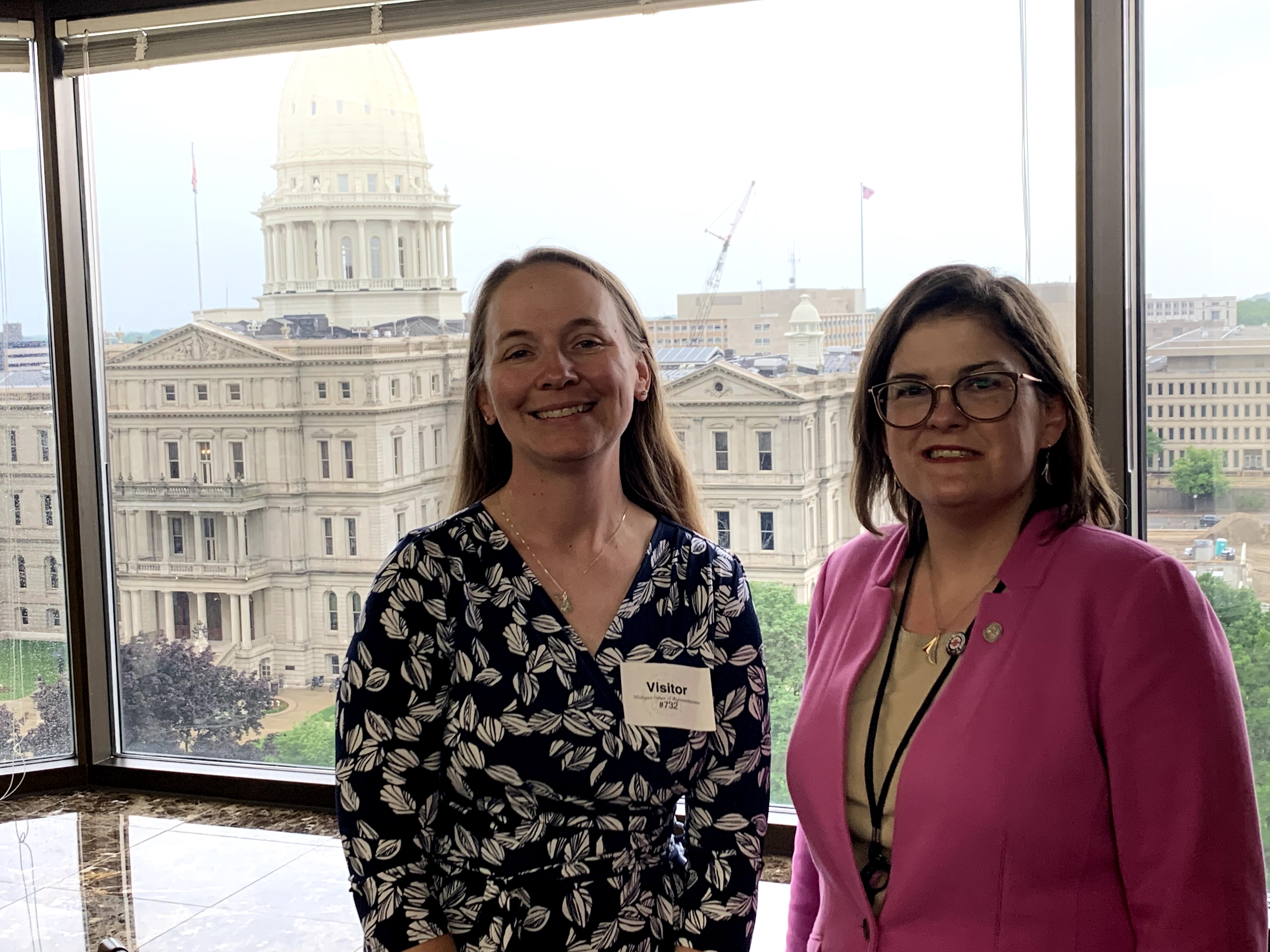
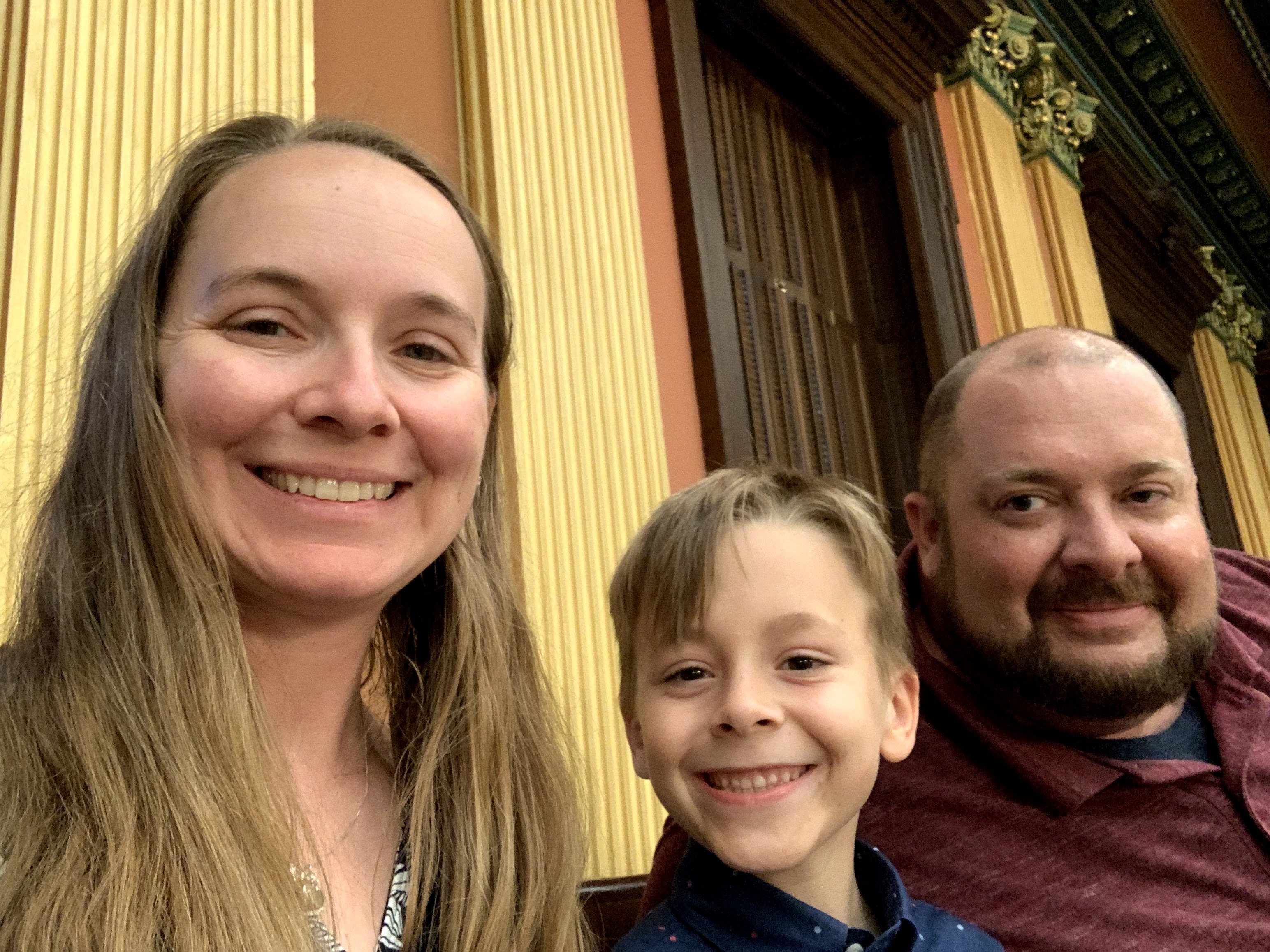
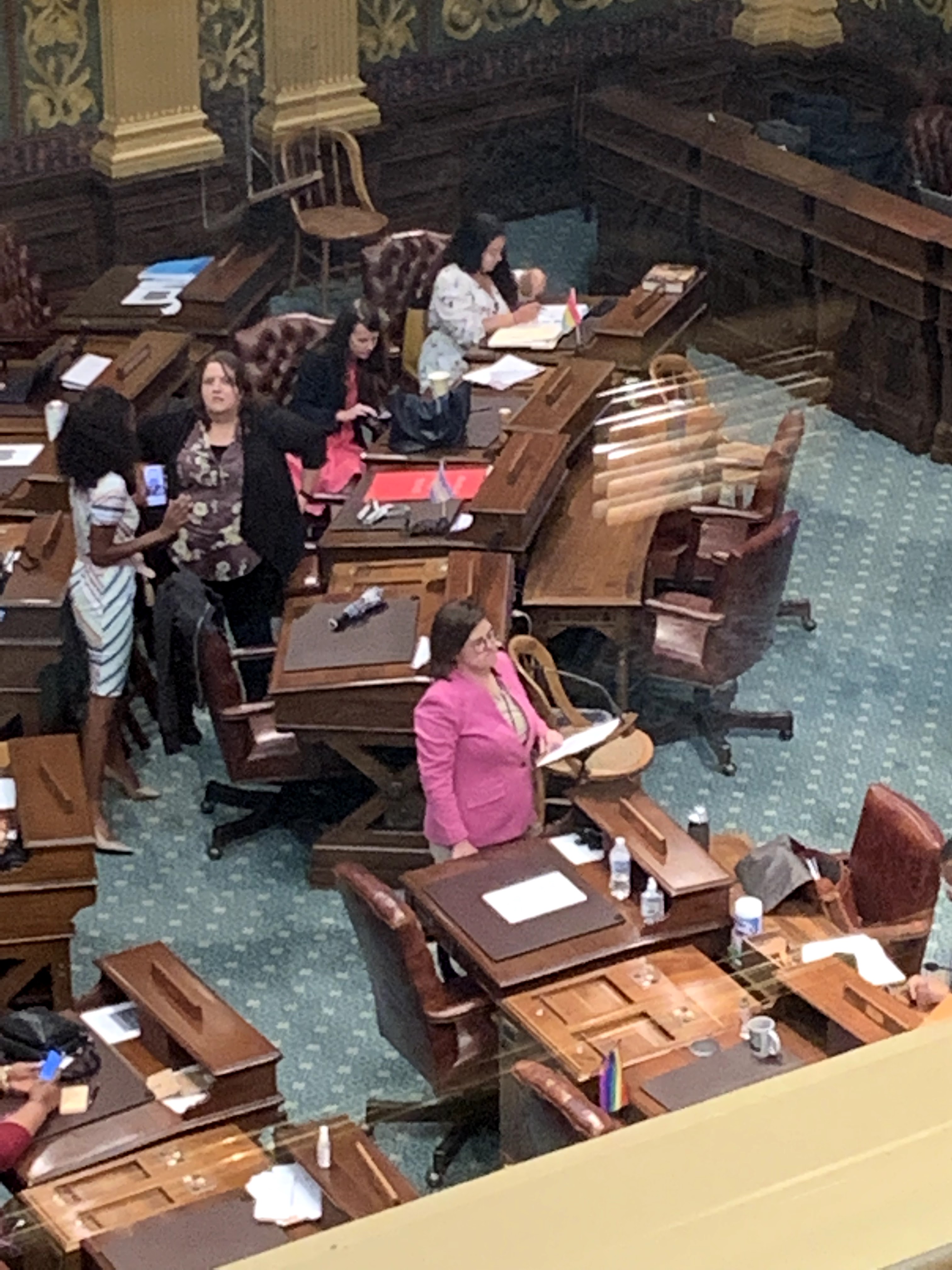
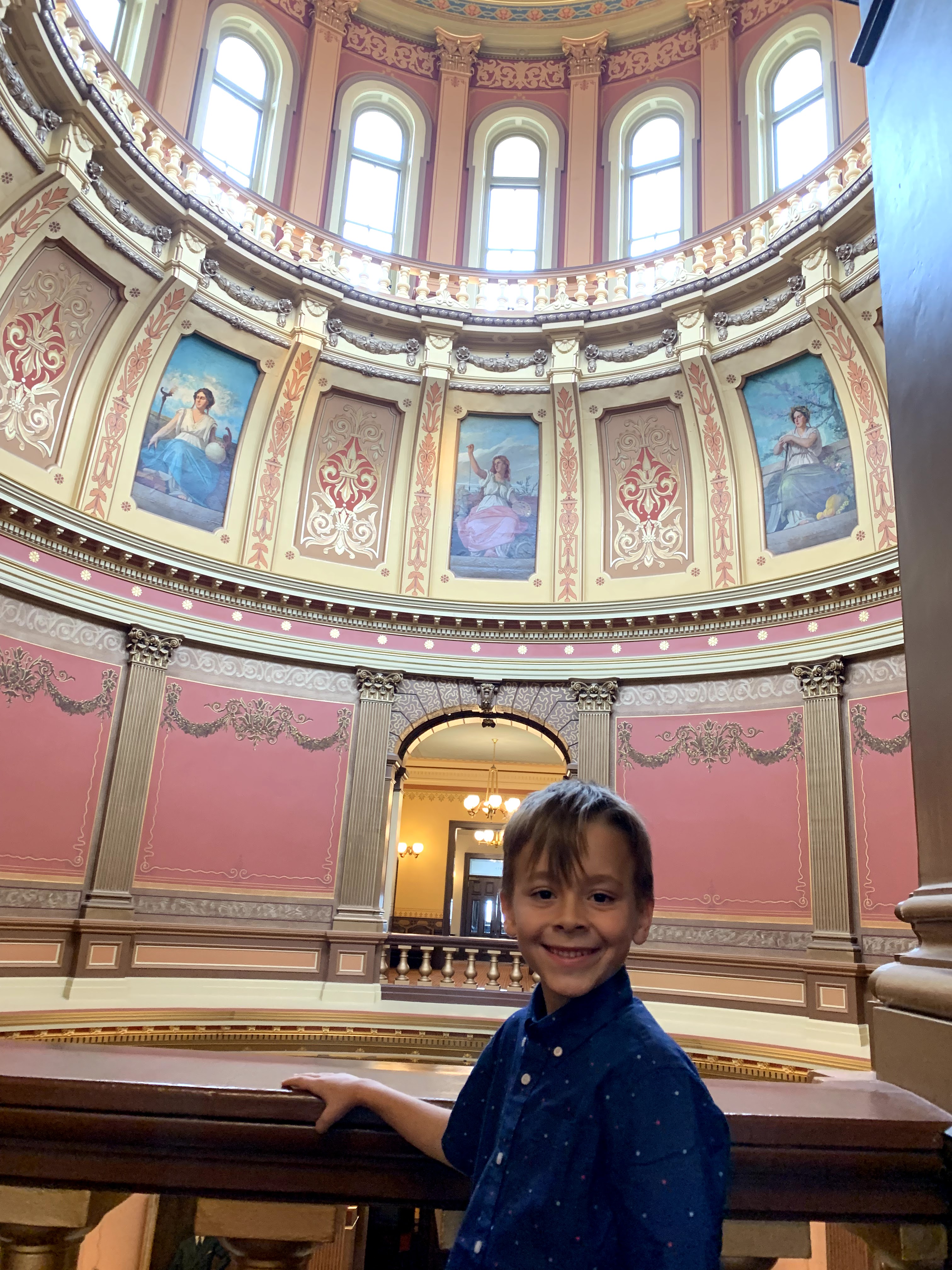
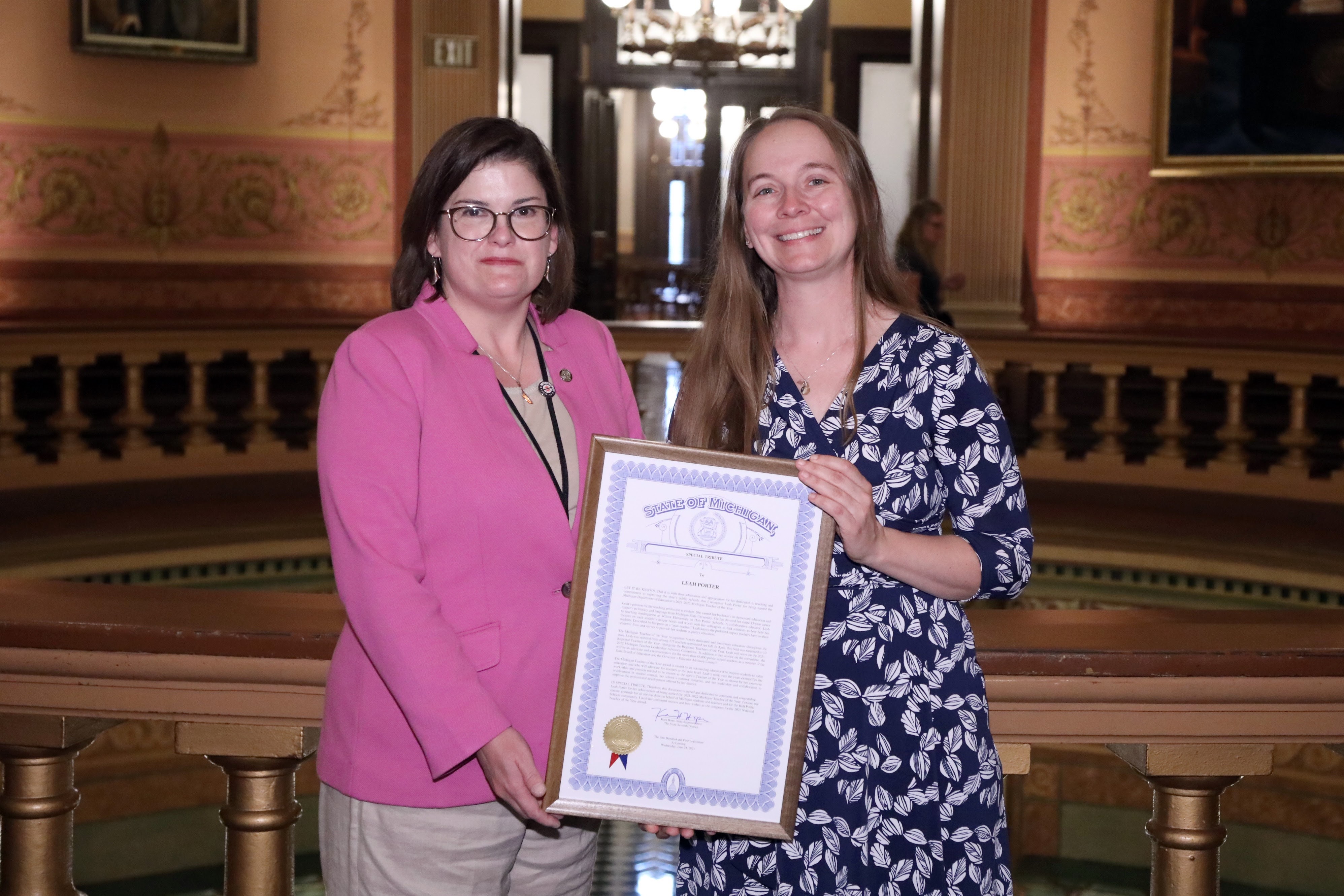
On June 23, my family and I were invited to the capital to attend a Michigan House of Representatives session to have a tribute made to me on the floor by Representative Kara Hope. It was an amazing experience, and one I was so happy to share with my family. Thank you to Representative Hope and her staff for making us feel so welcome. Here are some of the highlights!