I grew up in a household that valued and modeled lifelong learning by collecting and reading countless books. We took weekly trips to the library, and I always received a new book for each holiday and birthday. My mom always knew the books I needed at different moments in my childhood. Her guidance and thoughtfulness in book selection transformed my thinking, awakened the complexities and beauty of the world around me, and brought comfort and connection in the challenging moments and times of my life.
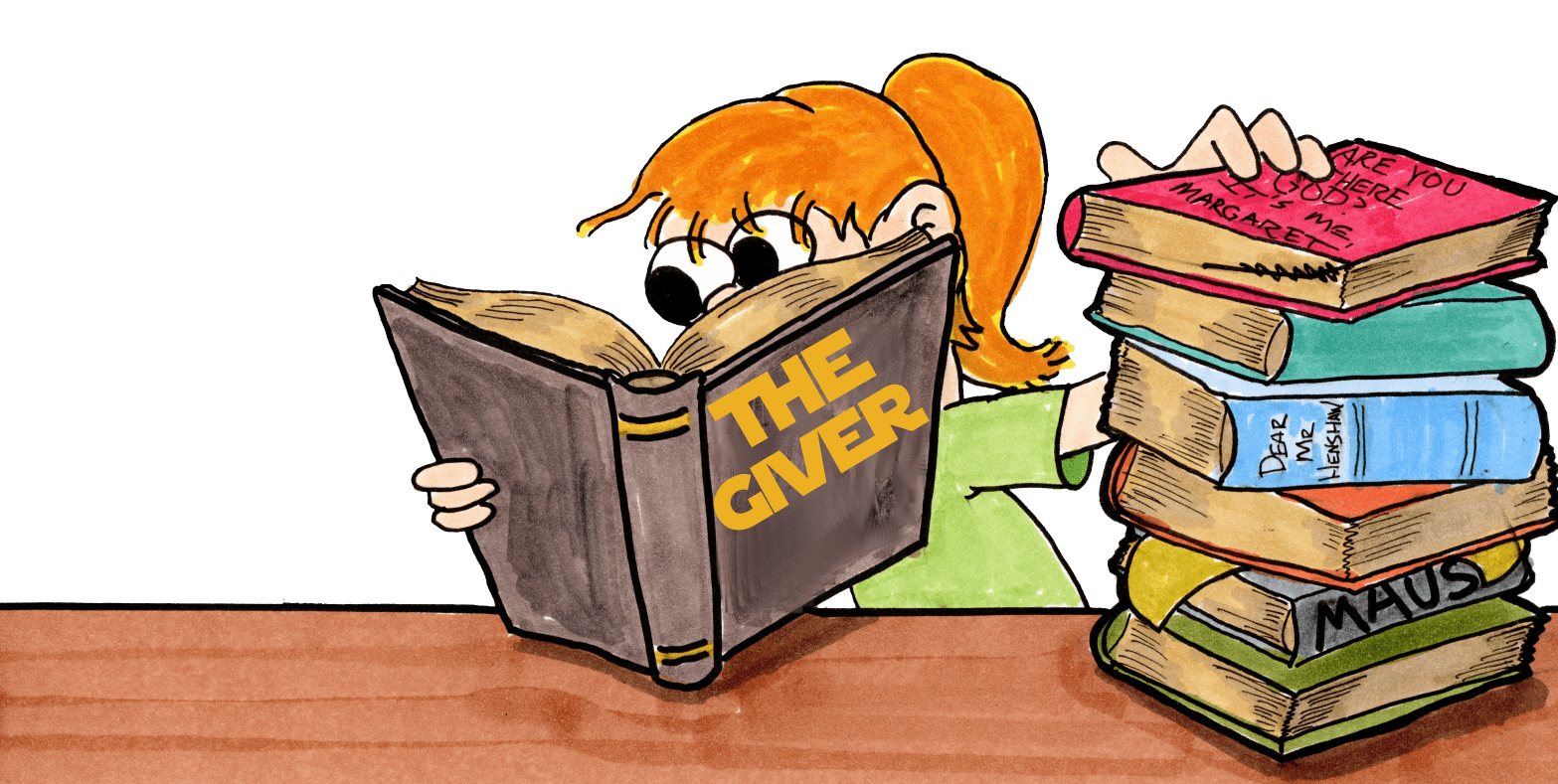
First, there was “Dear Mr. Henshaw” by Beverly Cleary. It is the first book I remember reading that felt like I was walking in the shoes of someone else. The loneliness, sadness and depth of the main character, Leigh, and how he processed his life through writing, inspired me to use writing as a vehicle to understand and express my own struggles and feelings.
A couple of years later, my mom gave me “Are You There God? It’s Me, Margaret” by Judy Blume. I read this book countless times because I felt truly seen by it. It validated my own internal struggle with the changes and challenges that occur in your early teens. It also beautifully captured the essence and experience of navigating your own blossoming opinions and thoughts about the world. Reflecting now, Margaret was my first literary model in how girls have a voice and opinions, and that they may differ from those closest to you.
Then, I was given a book that changed everything for me. “The Giver,” by Lois Lowry, was my first experience in book form about the complexities of the world – its indelible beauty and heartbreak. Reading “The Giver” was an awakening similar to the one that the main character Jonas experiences. The world first in black and white is transformed into spectacular color and depth. It was the first book that I finished and immediately went back to the beginning to re-read, my mind whirling from the ending (that cliffhanger!) and my deep desire to experience the story all over again.
No matter how many times I have re-read “The Giver,” I have always been in awe of the craft of storytelling, and how, no matter your age, you are transported into the perspective of Jonas and his desire to fight for the beautiful and complex world he is just beginning to understand.
I didn’t know it at the time, but most of the books that became woven into my heart, their stories intertwined in my own adolescence, were books that had been or would become commonly banned. Was this intentional on my mom’s part? I am not sure. But my mom was someone who had embraced reading as a consistent friend throughout her entire life and saw books to develop empathy and understanding. She understood that books were a window into the possible and the unknown. She knew that by providing me with books that made me think, question and connect, those feelings and emotions would continue to form my perspectives of the world around me. What an incredible gift she gave me.
My mom was like Jonas.
In my high school American Literature class, I spent the year reading historically banned books. “To Kill a Mockingbird” by Harper Lee. “The Adventures of Huckleberry Finn” by Mark Twain. “A Prayer for Owen Meany” by John Irving. “The Great Gatsby” by F. Scott Fitzgerald. My teacher, Ms. Solomon, took us on a literary journey that transcended our classroom. She had poignant, honest, thoughtful discourse and debate around these books’ themes, and their relevance both historically and in the current landscape of the world. She did not shy away from the complexities of these stories, and I grew exponentially in my thinking, understanding and perspective.
Ms. Solomon was like Jonas.
When I read about the current wave of attempted and successful book banning sweeping the country, I am both heartbroken and sickened by it. I think of new young adult and picture books I have read over the last few years. “Long Way Down” by Jason Reynolds. “Front Desk” by Kelly Yang. “Julian Is a Mermaid” by Jessica Love. “Refugee” by Alan Gratz. These books build empathy for others that is only replicated through one’s own lived experiences. The importance of books like these is more critical than ever as we continue to advocate and fight for equity for vulnerable youth and historically marginalized communities. We will never change the narrative in our society if we strip away the opportunity to have access to books like these. Banning books takes away the opportunity to build upon our own humanity.
I know that I am the person I am today because literature has been such a prominent and important part of my life. I also understand that because of people like my mom and Ms. Solomon, I was given the opportunity to be challenged and reflective through the pages of books that allowed me the opportunity to develop a critical understanding of the world around me. It is of greatest importance that we give those same opportunities to all students. As a mother and a teacher, I will always fight to provide access to books that help us explore this beautiful and complex world.
If only we could all be like Jonas.

 Leah Porter